ROBOTS, ART, PEOPLE AND PERFORMANCE (RAPP) LAB

The Robots, Art, People and Performance Laboratory (RAPP Lab) is conceived as a living laboratory that functions as an experimental sandbox where roboticists and artists converge to explore the untapped possibilities of human-robot interaction through the lens of performance. Born from a spirit of curiosity, experimentation and play, this unique collaborative workshop space has evolved over the years with various public and private experimental performances and interactions.
RAPP Lab 4.4: Movement, Music and Machines, University of Canberra
Exploring music, movement and the inner workings of an embodied AI
Dates and times
- Saturday 24 October: 9am to 5pm, workshop and devising
- Sunday 25 October: 9am to 5pm, workshop and devising
- Monday 26 October: 4pm to 9pm, devising, rehearsal and showcase
Participants must be available for all three days.
Details
Location: Collaborative Robotics Lab, University of Canberra, Bruce ACT, Australia
Led by: Dr Maleen Jayasuriya, Piumi Wijesundara, and Dr Richard Savery (University of Canberra)
Cost: Free, limited spots
Enquiries: Piumi.Wijesundara@canberra.edu.au
Applications close: Tuesday 6 October 2026, with outcomes announced by 10 October 2026
Enquiries: Piumi.Wijesundara@canberra.edu.au
What happens when music joins the conversation between performers and robots? The next RAPP Lab 04 workshop brings actors, movement artists, musicians and sound artists together at the University of Canberra’s Collaborative Robotics Lab. The workshop pairs ENACT, our physical theatre trained vision-action model, with Richard Savery’s Keirzo music robots. Participants will improvise with robots through movement and sound, look inside ENACT’s neural network to see how it responds, and talk openly about ethical ways for artists and technologists to create together.
Call for artists: We are looking for actors, movement artists, musicians and sound artists. Places are limited and selection may be competitive. Participants must be available for all three days.
Submit your EOI by Tuesday 6 October 2026 using the button above. Limited spots available!
Outcomes will be announced by 10 October 2026.
RAPP Lab 4.3: Embodied AI on Stage, ICSR 2026 and Robot Fringe, London
Co-Creating Physical Theatre with a Human-Robot Ensemble
International Conference on Social Robotics (ICSR) + Art 2026
London, UK
Workshop: 1 July 2026, 14:00 to 17:00 as part of the International Conference on Social Robotics (ICSR 2026)
Performance: Genre Roulette, 2 July 2026 (evening), Robot Fringe Festival 2026, Senate House, University of London
Location: University of London and Senate House, London, UK
Led by: Dr Maleen Jayasuriya, Piumi Wijesundara, Prof. Damith Herath (Collaborative Robotics Lab, University of Canberra), Prof. David Cotterrell (Sheffield Creative Industries Institute, Sheffield Hallam University), Prof. Frederic Fol Leymarie (Goldsmiths, University of London), Prof. Tavs Jorgensen (The Bridge Studios, UWE Bristol), Dr Daniel Berio (Goldsmiths, University of London), Dr Samuele Vinanzi (Sheffield Hallam University), Gavin Robins (National Institute of Dramatic Art) and Ruhanie Perera (University of Colombo)






Overview
What emerges when physically embodied AI moves from executing pre-programmed sequences to improvising alongside human performers? The third RAPP Lab 04 event took this question to London in two forms: an experiential workshop for the social robotics research community, and a live performance for a public audience.
Methodology: The Workshop
Held as part of ICSR 2026, this half-day experiential workshop investigated vision-action models as enablers of improvised physical theatre within human-robot ensembles. Building on nearly a decade of RAPP Lab investigations, it drew on Meyerhold’s biomechanics, Lecoq’s Tréteau theatre and Anne Bogart’s Viewpoints to cultivate complicité between humans and a collaborative robot running ENACT. Rather than treating the robot as a tool, participants explored it as a co-creative partner in movement-based storytelling.
The afternoon opened with Prof. Damith Herath tracing the context and trajectory of RAPP Lab, followed by Dr Maleen Jayasuriya and Piumi Wijesundara introducing the research questions and technology behind RAPP Lab 04. Participants then moved through three hands-on group activities: Viewpoints exercises and a “speed date” with Coby the cobot, a group story brainstorm, and improvised performances with the ENACT system. The session closed with shared reflections. The workshop welcomed roboticists, embodied AI researchers, theatre artists, dancers, HRI scholars and designers, with or without prior robotics or performance experience.
Keynotes
Between the group activities, three UK partners gave short keynotes that placed the work within wider conversations on creative AI, immersive production and embodied interaction:
- Frederic Fol Leymarie, Goldsmiths, University of London
- Tavs Jorgensen, The Bridge Studios, University of the West of England, Bristol
- David Cotterrell, Sheffield Hallam University
The workshop was a collaboration across the University of Canberra’s Collaborative Robotics Lab, NIDA’s Future Centre, The Bridge Studios at the University of the West of England, Bristol, Sheffield Robotics and the Sheffield Creative Industries Institute at Sheffield Hallam University, the Embodied Agents in Contemporary Visual Art (EACVA) team at Goldsmiths, University of London, and the University of Colombo, Sri Lanka.
Performance Outcomes: Bodies in Dialogue at Robot Fringe
The following evening, RAPP Lab performed at the Robot Fringe Festival 2026 at Senate House. Bodies in Dialogue used a Genre Roulette format that handed creative control to the audience. Audience members spun a roulette wheel to select one of four genres, each paired with a physical theatre approach:
- Japanese Horror: performed in a Butoh-inspired style
- English Rom-Com: played through naturalism
- Hollywood Superhero: built on Meyerhold’s biomechanics
- Bollywood Musical: told through dance
Once a genre was drawn, the actors began to perform. The audience then voted live on whether ENACT should mirror the performers or move in contrast to them, and those votes steered the robot as the scene unfolded. The result was an improvised performance co-created in real time by actors, robot and audience.
Workshop Committee
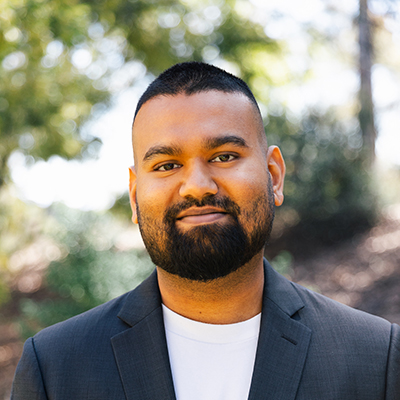
Dr. Maleen Jayasuriya
Collaborative Robotics Lab, University of Canberra
maleen.jayasuriya@canberra.edu.au
www.maleenj.com
Leads the Robot Intelligence research stream at the University of Canberra’s Collaborative Robotics Lab, specializing in embodied AI and explainable artificial intelligence. Interdisciplinary background spanning theatre, filmmaking, animation, and game development informs research investigating human-robot interaction and robotics as cultural practice, with focus on making physically embodied AI systems transparent and interpretable.
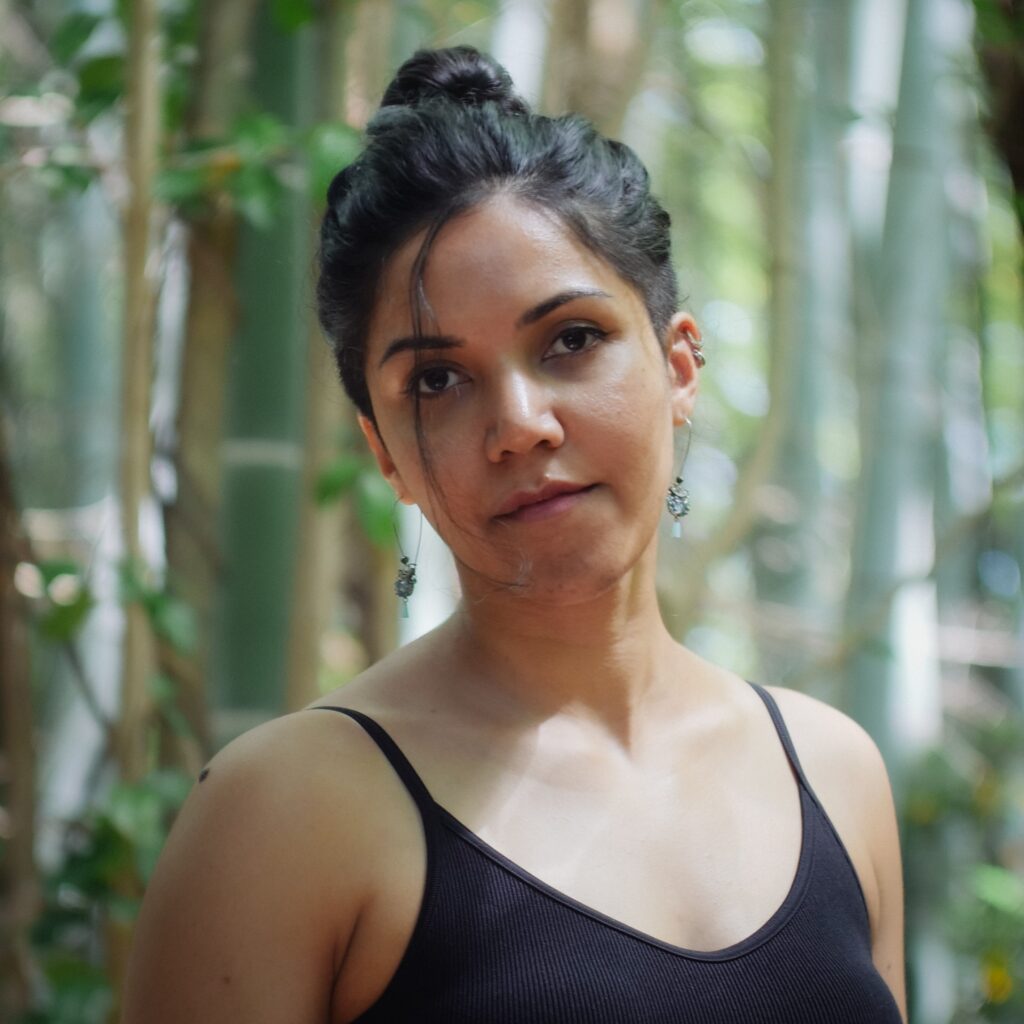
Piumi Wijesundara
Collaborative Robotics Lab, University of Canberra
piumi93@gmail.com
www.artsypooms.com
Theatre practitioner and artist-researcher specializing in physical theatre methodologies and ensemble-based storytelling, trained at East 15 Acting School (University of Essex) and Institute of Theatre Arts Moscow. International theatre credits across UK, Australia, Rwanda, and Sri Lanka. Resident artist-researcher at University of Canberra’s Collaborative Robotics Lab.
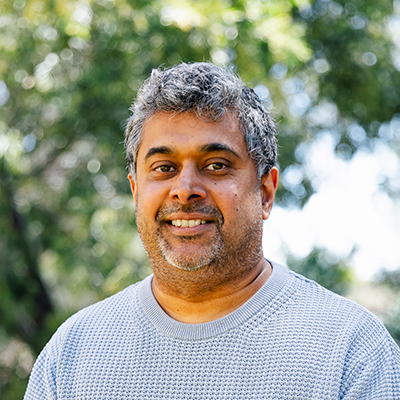
Prof. Damith Herath
Collaborative Robotics Lab, University of Canberra
damith.herath@canberra.edu.au
www.roboticart.org
Professor of Robotics and Art at the University of Canberra, leading the Collaborative Robotics Lab—an interdisciplinary, industry-led research group investigating HRI across diverse domains. Award-winning entrepreneur with 20+ years of experience in multidisciplinary and translational research in robotics. Prof. Herath has over a decade of experience organizing robotics and art workshops at major international conferences including ICSR, IROS, and ICRA, establishing foundational frameworks for arts-based robotics research.
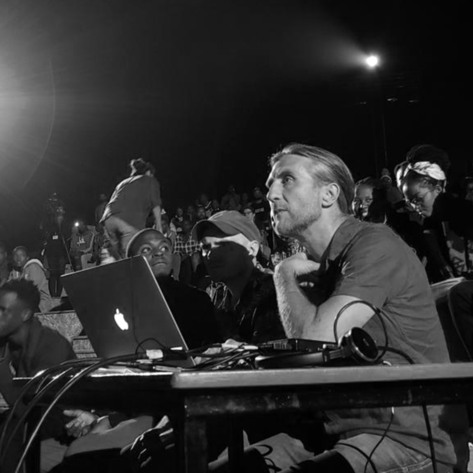
Prof. David Cotterrell
Sheffield Creative Industries Institute, Sheffield Hallam University
d.cotterrell@shu.ac.uk
www.cotterrell.com
Research Professor of Fine Art at Sheffield Hallam University. Installation artist working across media and technologies to explore socio-political tendencies through intersection and encounter. Extensive commissioning history across Europe, United States, and Asia, with particular interest in movement artists and embodied interaction.
Prof. Frederic Fol Leymarie
Goldsmiths, University of London
ffl@gold.ac.uk
www.folleymarie.com
Professor of Computing at Gold-smiths, University of London. Researcher in creativity and AI systems, specializing in artistically skillful robots, computer vision, and shape understanding. Programme leader for MSc Computer Games & Enter-tainment. Co-leads London Geometry consulting. Extensive publications on robotic drawing, calligraphy, and computational creativity at the intersection of visual arts and computing.
Dr. Daniel Berio
Goldsmiths, University of London
daniel.berio@gold.ac.uk
www.enist.org
Computational Arts Lecturer at Goldsmiths, University of London. Researcher, programmer, and artist combining computer graphics, robotics, and graffiti art. PhD in computing focusing on computer-aided design and procedural generation of synthetic graffiti and calligraphy. Specializes in real-time hardware-accelerated rendering and vector graphics, ex-ploring algorithmic forms through graffiti writing aesthetics.
Assoc. Prof. Tavs Jorgensen
Sheffield Hallam University
tavs.jorgensen@uwe.ac.uk
web page link
Associate Professor and AHRC Leadership Fellow at the Centre for Fine Print Research, UWE Bristol. Researches the design potential of digital fabrication in glass and ceramics, including ceramic extrusion for architecture and 3D-printed glass. Former tableware designer for Wedgwood and Lenox, and taught for 10 years on the Royal College of Art’s Ceramic and Glass programme. Creative work exhibited at the Saatchi Gallery, Pushkin Museum and Salone del Mobile.
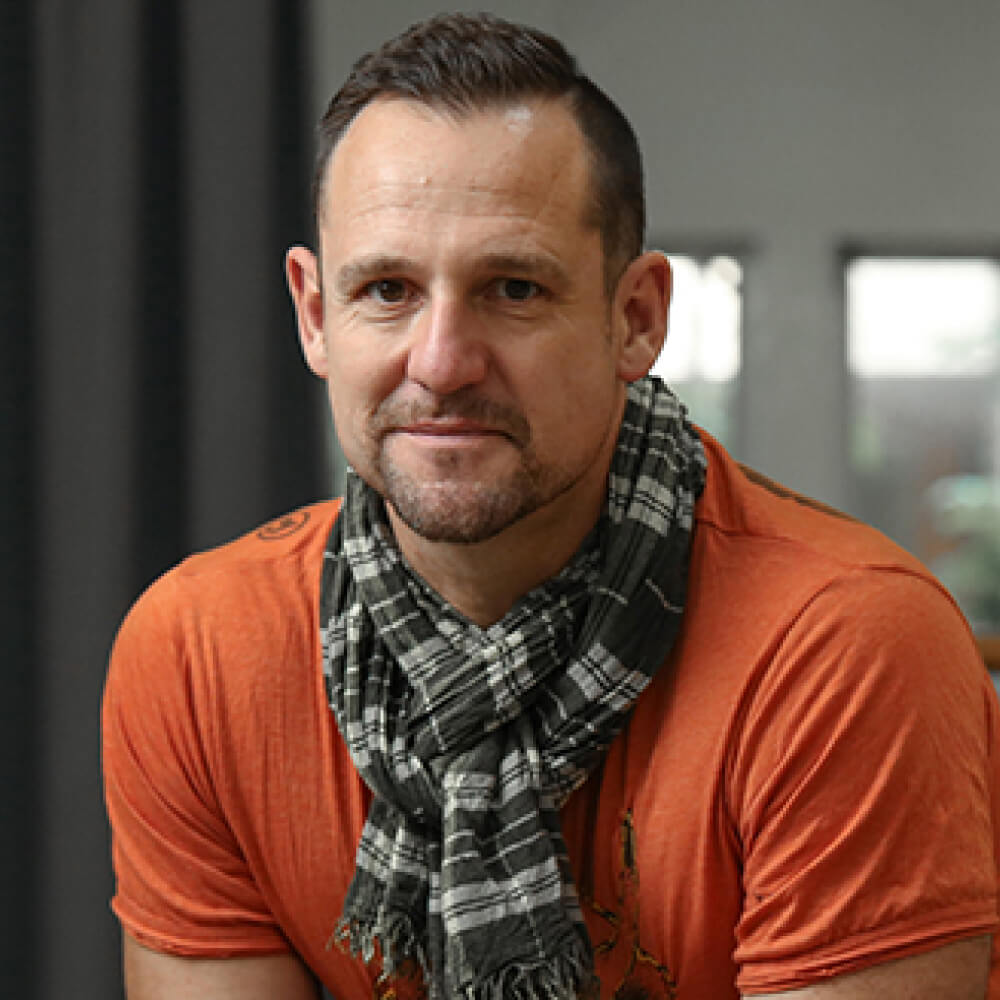
Gavin Robins
National Institute of Dramatic Art (NIDA)
gavin.robins@nida.edu.au
www.gavinrobins.com
Senior Lecturer and Head of Movement at NIDA. Internationally acclaimed director of visual and physical theatre combining daring perfor-mance with emerging technologies including animatronics, automation, and aerial performance. Broadway credits include King Kong (Movement/Aerial Director, Special Tony Award recipient). Helpmann Award winner with large-scale production experience including Sydney Olympics Opening Ceremony.
Credits and Acknowledgements
Workshop Committee: Dr Maleen Jayasuriya (Collaborative Robotics Lab, University of Canberra), Piumi Wijesundara (Collaborative Robotics Lab, University of Canberra), Prof. Damith Herath (Collaborative Robotics Lab, University of Canberra), Prof. David Cotterrell (Sheffield Creative Industries Institute, Sheffield Hallam University), Prof. Frederic Fol Leymarie (Goldsmiths, University of London), Ruhanie Perera (University of Colombo), Dr Daniel Berio (Goldsmiths, University of London), Dr Samuele Vinanzi (Sheffield Hallam University), Gavin Robins (National Institute of Dramatic Art)
Keynote Speakers: Prof. Frederic Fol Leymarie (Goldsmiths, University of London), Prof. Tavs Jorgensen (The Bridge Studios, UWE Bristol), Prof. David Cotterrell (Sheffield Hallam University)
Fringe Performers: Piumi Wijesundara, Maggiemarie Casto, Mateus Monteiro
Fringe Technical Direction and Compère: Dr Maleen Jayasuriya
Fringe Support: Stephanie Nicolle, Ryand Gaya
Special Thanks: David Cotterrell and David Cotterrell Studios for hosting rehearsals and the work-in-progress showing;
The Bridge Studios, UWE Bristol, and LG Motion for providing the cobot.
RAPP Lab 4.2: Bodies in Dialogue, The Bridge Studios, UWE Bristol
g the machine visible: live visuals from inside an embodied AI
Project Period: 22 to 24 June 2026
Location: The Bridge Studios, University of the West of England, Bristol, UK
Presented by: Collaborative Robotics Lab, University of Canberra, in partnership with The Bridge Studios, University of the West of England, Bristol
Led by: Dr Maleen Jayasuriya, Piumi Wijesundara and Prof. Damith Herath (UC), with James Knight, Dr Tavs Jorgensen, Dr Mark Hansen and Michelle Wu (UWE)
Partners: The Bridge Studios, University of the West of England, Goldsmiths, University of London; NIDA Future Centre; LG Motion
Overview
What happens when the audience can see what the robot is thinking?
The second RAPP Lab 04 workshop brought ENACT to The Bridge Studios at UWE Bristol, an interdisciplinary research lab and creative production space. Over three days, a cohort of UWE acting students and UWE game design and software engineering students trained in Meyerhold’s biomechanics, Lecoq’s Tréteau theatre and Bogart’s Viewpoints, then improvised with the ENACT-equipped cobot in transdisciplinary groups.
Where the NIDA intensive brought props and design students into the room, Bristol added a new layer. ENACT’s internal neural network activity was exposed and streamed to the game design and software engineering students, who used it to create live visuals on the studio’s 28 m² production-quality LED volume wall. The robot’s movement, the actors’ bodies and a visual rendering of the model’s inner workings shared the same stage giving us a peak into the “brain states” of the embodied AI system.
Research Focus
Alongside the ensemble questions carried over from NIDA, Bristol asked whether the inner workings of an embodied AI can become part of the performance itself. Visualising a model’s internal states live is a step towards explainable AI in a creative setting, and connects RAPP Lab 04 to ongoing interpretability research on ENACT at the Collaborative Robotics Lab. It also opens a dramaturgical question: what changes for performers and audiences when the machine’s decision-making is visible rather than hidden?
Methodology
Workshop Structure:
- Day 1: physical theatre foundations for the whole cohort, building shared movement vocabulary before meeting the robot.
- Day 2: improvisation with the ENACT-equipped cobot, while the game design and software engineering students developed live visuals from the model’s internal states.
- Day 3: devising and presenting short ensemble pieces bringing together actors, cobot and live visuals in the LED volume.
Data collected through structured interviews, surverys and video
Performance Outcomes
Each group devised a short ensemble piece in which performers, the cobot and live visuals driven by ENACT’s internal activity worked together on the LED volume stage.
What We Found
Findings from the Bristol workshop are currently being analysed and will be shared in forthcoming publications.
Media
The workshop was documented in a film by Jack Fisher.
Publications
Forthcoming.
Credits and Acknowledgements
Facilitators, Collaborative Robotics Lab, University of Canberra: Dr Maleen Jayasuriya, Piumi Wijesundara, Prof. Damith Herath
Facilitators, The Bridge Studios, UWE Bristol: Dr Tavs Jorgensen, Dr Mark Hansen, James Knight, Michelle Wu
Participants: Maggiemarie Casto, Yat Tim Chan, Katie Dean, Madeleine Essex, Sophie Flint, Ryand Gaya, Joshua Imarhiagbe, Kaan Karadag, Benjamin Marples, Daniel Read, Zac Reineck, Pramila Samarakoon, Sebastian Sherwood, Anant Varman
Research Assistants: Stephanie Nicolle, Isabella Roberts
Project Partners: Goldsmiths, University of London (Dr Daniel Berio, Prof. Frederic Fol Leymarie); NIDA Future Centre, National Institute of Dramatic Art (Gavin Robins, Marcelo Zavala-Baeza, Dr Suzanne Osmond, Beth Shulman, Kate Sherman); LG Motion (Gary Livingstone)
Documentary: A film by Jack Fisher
RAPP Lab 4.1: Bodies in Dialogue, NIDA Sydney
Generative improvisation between movement artists, designers, engineers and embodied AI
Project Period: 15 to 17 April 2026
Location: National Institute of Dramatic Art (NIDA), Sydney, Australia
Partner: NIDA Future Centre, National Institute of Dramatic Art
Led by: Dr Maleen Jayasuriya and Piumi Wijesundara (RAPP Lab), with Gavin Robins, Marcelo Zavala-Baeza, Dr Suzanne Osmond and Beth Shulman (NIDA)
Overview
What happens when embodied AI stops executing pre-programmed sequences and begins responding, in the moment, to a human performer’s body?
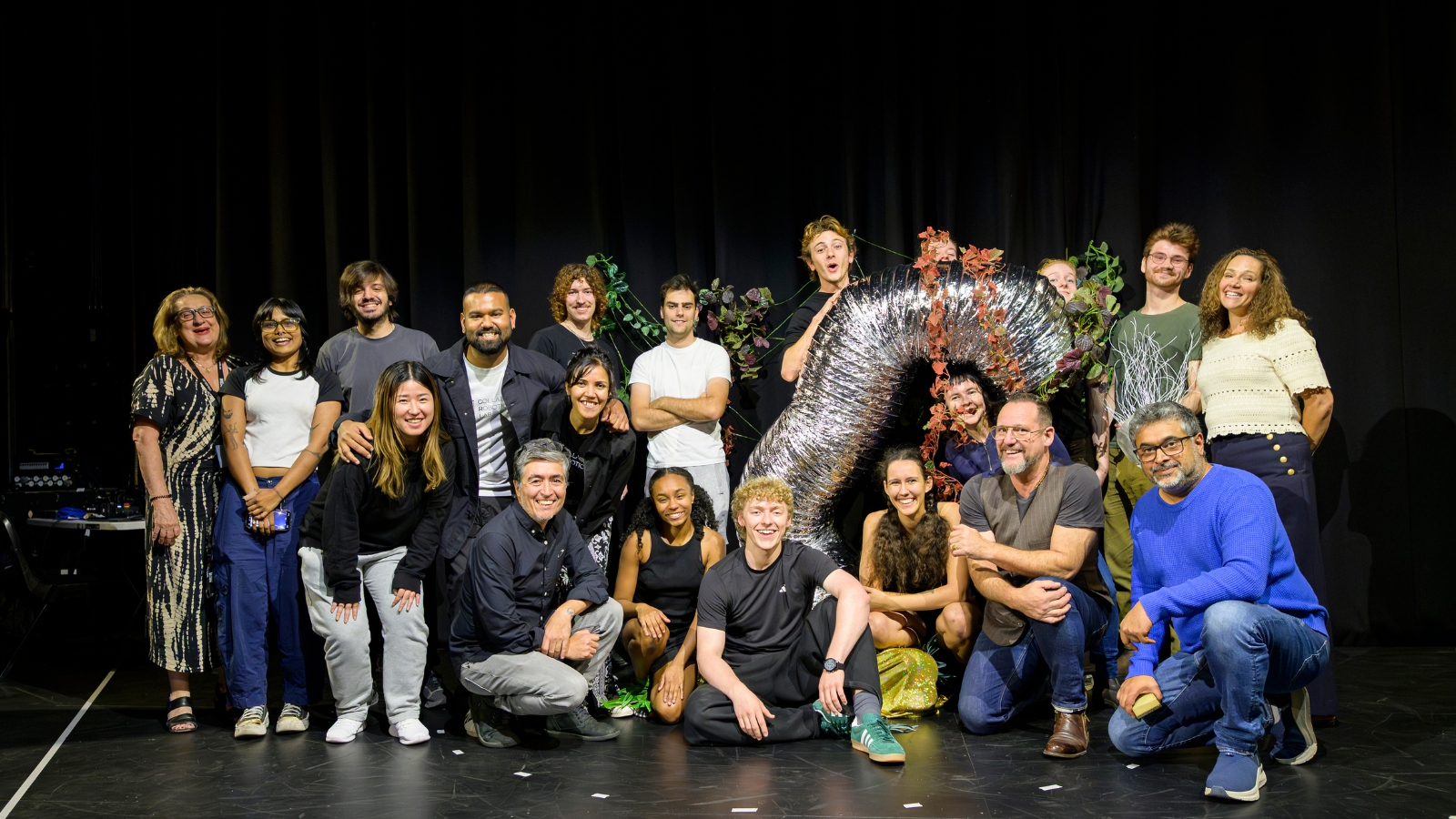
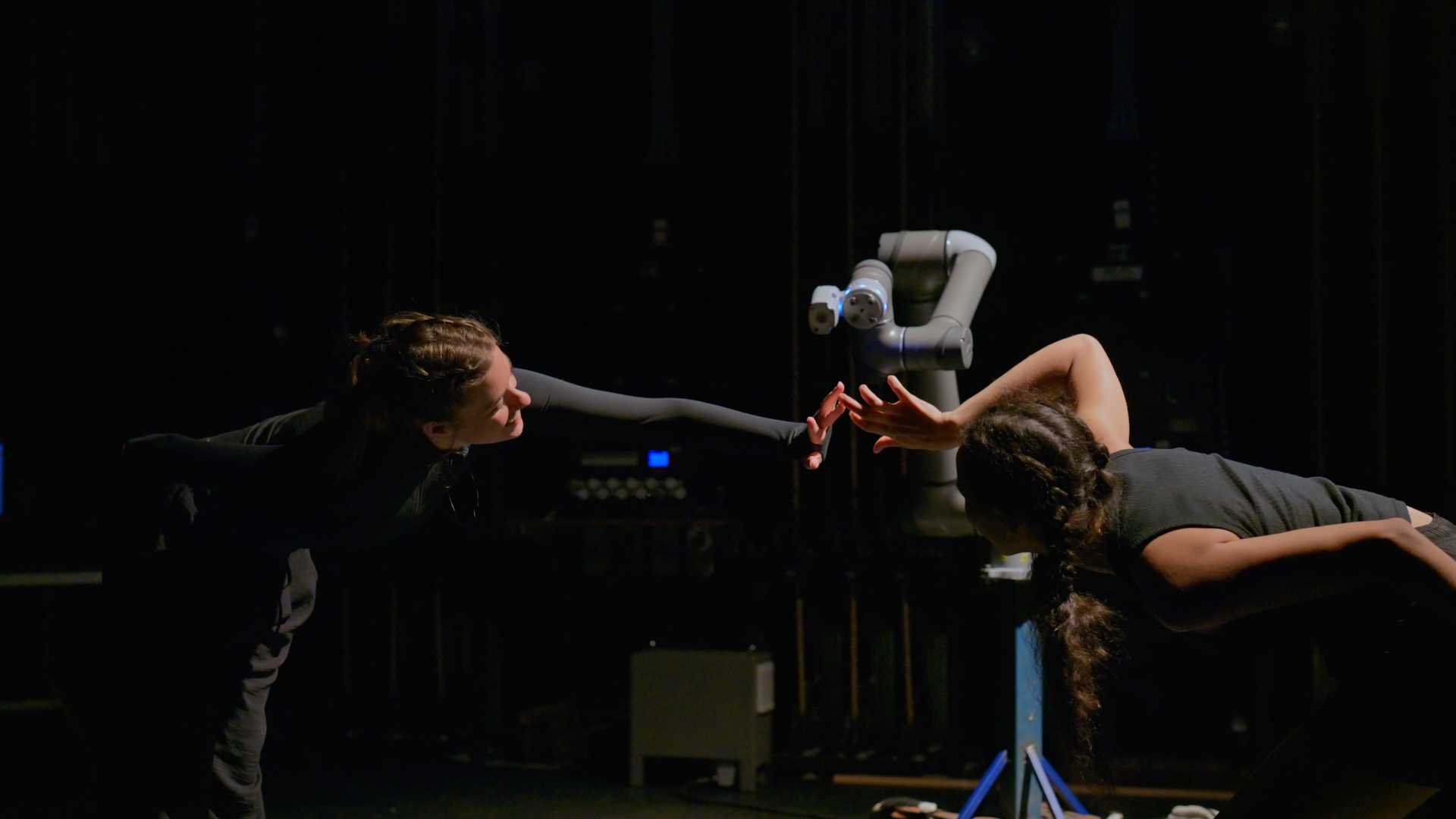
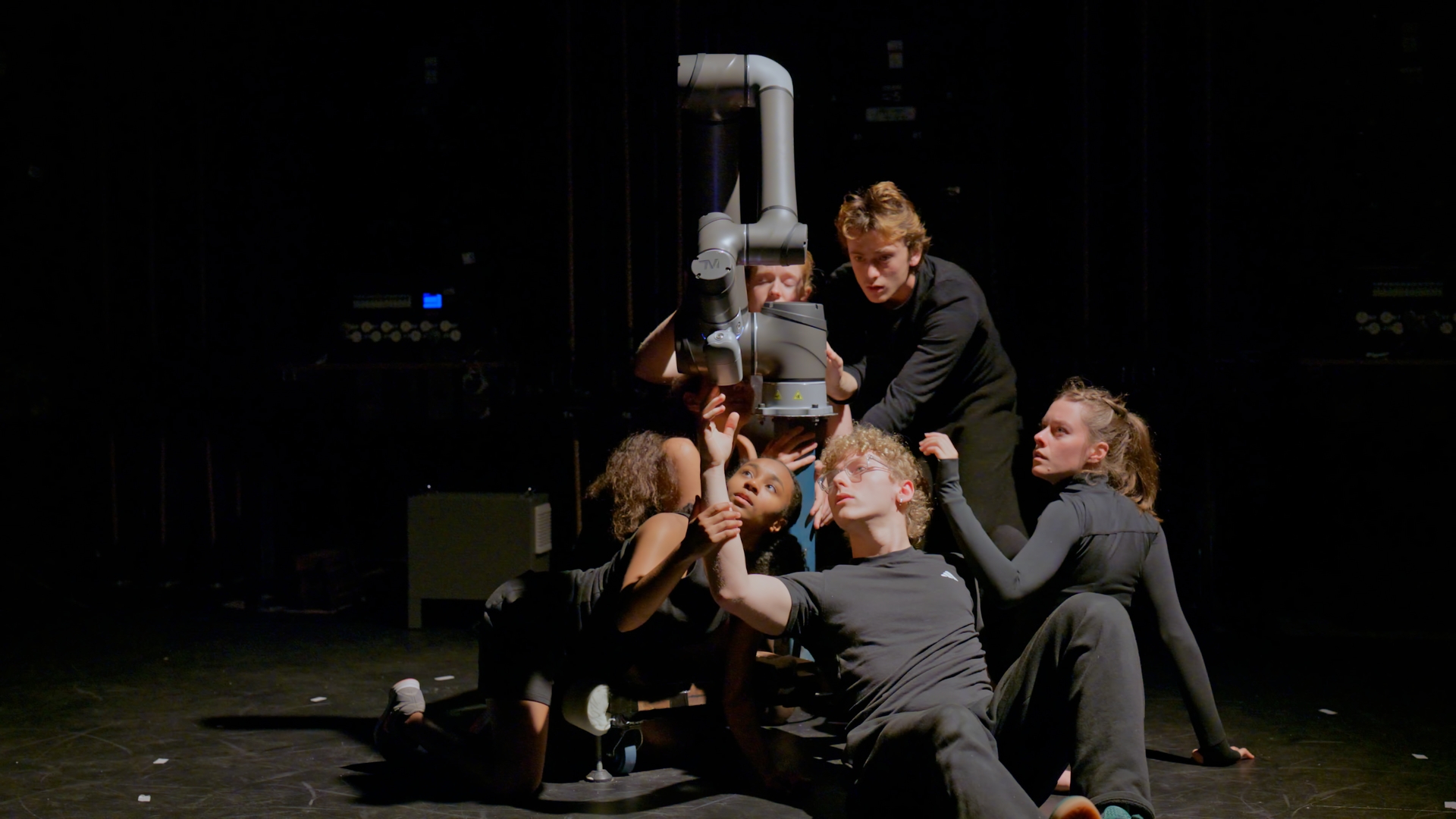
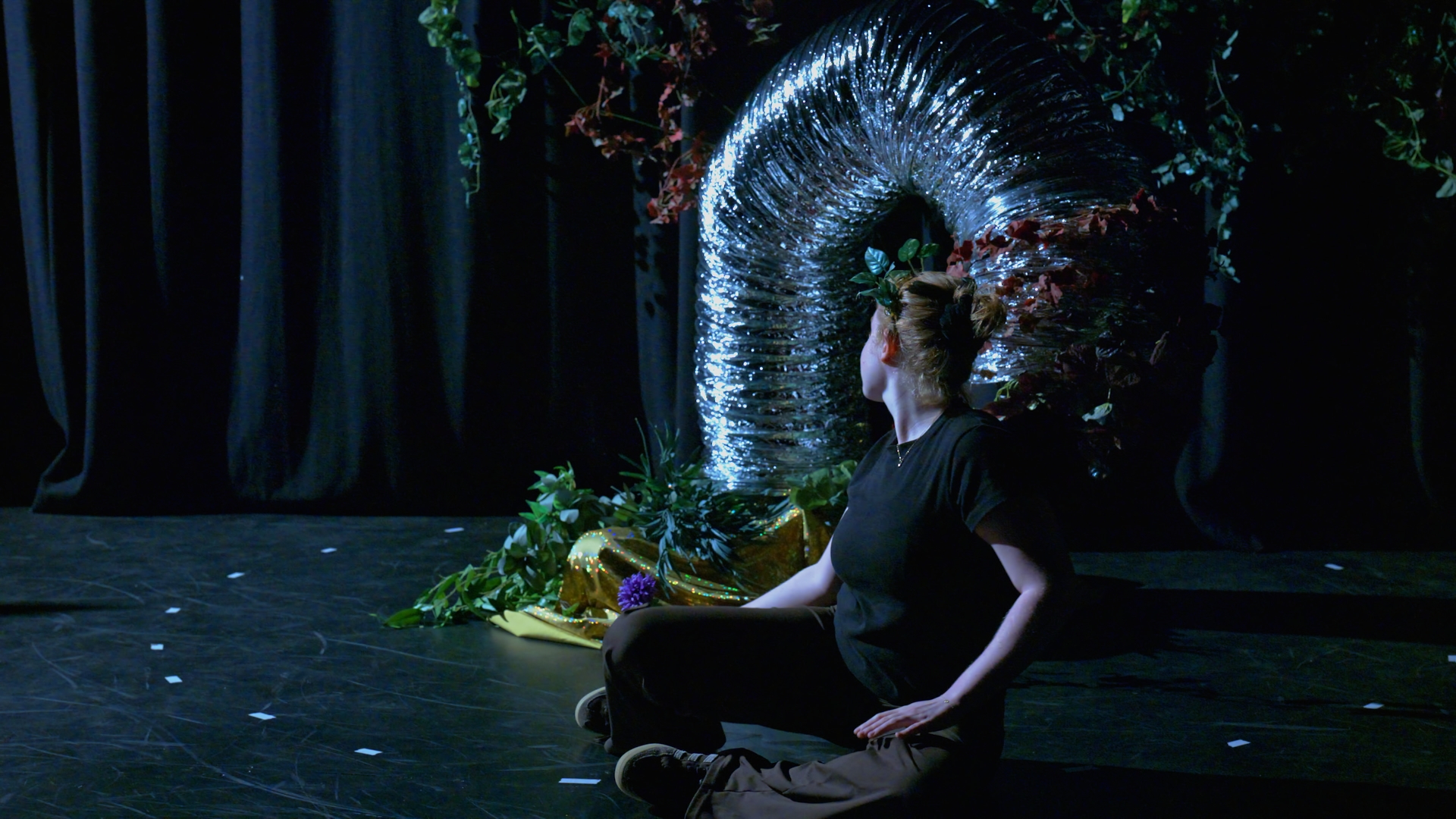
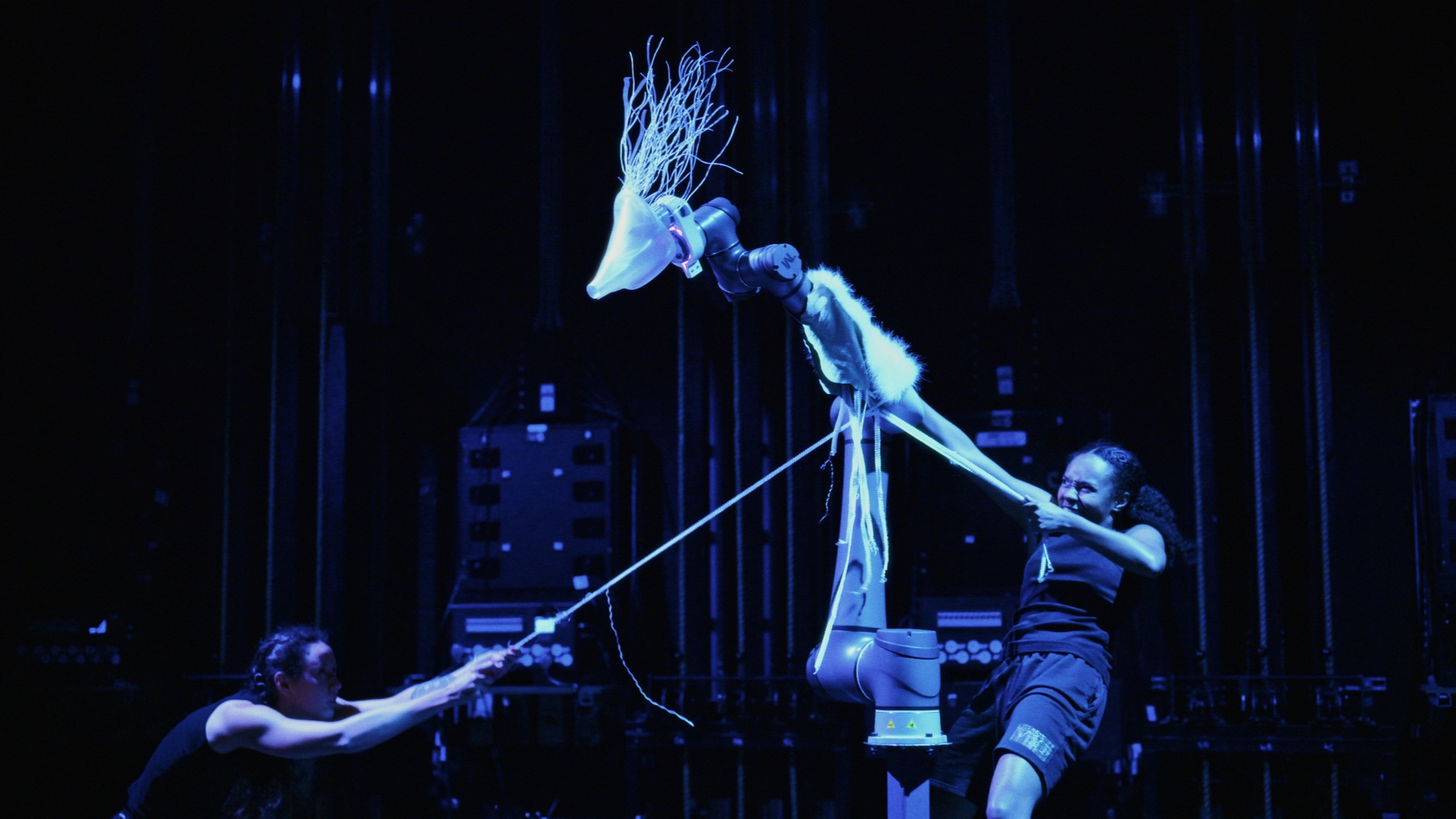
This three-day intensive marked the first live deployment of ENACT within a devised physical theatre process. Participants drawn from NIDA and the University of Canberra, spanning movement artists, engineers and design students, worked in cross-disciplinary groups. They moved through foundational physical theatre training in Meyerhold’s biomechanics, Lecoq’s Tréteau theatre and Bogart’s Viewpoints, then applied these techniques in hands-on improvisation with the ENACT-equipped cobot. Read more on the NIDA website: RAPP Lab at the NIDA Future Centre
Research Focus
The intensive explored how a generative, responsive robot changes the ensemble. How does complicité form when the robot is no longer following a script? What can physical theatre training offer people meeting embodied AI for the first time? And what happens when engineers, designers and performers share the same rehearsal room?
Methodology
Workshop Structure:
• Day 1: physical theatre foundations in biomechanics, Tréteau and Viewpoints, building shared movement vocabulary within mixed groups.
• Day 2: first contact and hands-on improvisation with the ENACT-equipped cobot, applying the training to live human-robot exchange.
• Day 3: devising short improvised ensemble pieces with the cobot as a fellow performer.
Data collected through structured interviews, surverys and video
Performance Outcomes
On the final day, each interdisciplinary group presented a short improvised ensemble piece with the cobot as a fellow performer in a work-in-progress showing for industry professionals and invited guests at NIDA.
The workshop was filmed as a practice-as-research documentary. The documentary Bodies in Dialogue is structured around four thematic arcs: interdisciplinary awe, trust and co-creation, theatre techniques shaping the work, and transformed perspectives. It premiered at ICRA 2026 in Vienna.
What We Found
Participants rapidly developed ensemble attunement with the robot. ENACT’s real-time responsiveness shifted perceptions of the cobot from technological tool towards ensemble partner, with performers negotiating tempo, spatial relationship and status with the robot in ways that echoed human ensemble dynamics.
The transdisciplinary cohort shaped the work as much as the robot did. Engineers had their assumptions challenged by trained performers. Actors gained new insight into the systems underpinning the robot’s behaviour. A productive reframing of failure also emerged: where engineers instinctively sought precision, performers embraced imperfection as dramaturgically generative.
“The more people you can bring to a project, the better story you can tell.” (Design student)
“I’ve never considered the fact that we can use technology to create art. I’ve always separated those two in my mind because to me art is very human. I didn’t realise that you can use the two and it can be just as human.” (Engineering student)
“As an artist, if I don’t engage with it, people who are creating these systems will continue to develop them without the heart of an artist. And that’s going to make my job even harder.” (Acting student)
Publications
Forthcoming.
Credits and Acknowledgements
Facilitation: Dr Maleen Jayasuriya and Piumi Wijesundara (RAPP Lab, University of Canberra), with Gavin Robins (Head of Movement, NIDA) and Marcelo Zavala-Baeza (Head of Props and Effects, NIDA)
Curated and Produced with: Dr Suzanne Osmond (Head of Research, NIDA) and Beth Shulman (NIDA Future Centre)
Research Team: Prof. Damith Herath, Ruhanie Perera, Mia Rashid, Kate Sherman
Participating Artists: Tai Kane-Potaka, Ryan Shaw, Maggie Ireland-Jones, Harrison Walker, Nyree Binns, Tash Bowers, Tom Berger, Vanshika Javeri, Anthony Bebek, Ramy Asaad, Jimmy Beaton
Documentary: Bodies in Dialogue: A RAPP Lab Documentary. Directed and edited by Maleen Jayasuriya. Written by Piumi Wijesundara and Maleen Jayasuriya.
Acknowledgements: Robert Miniter (cinematography and documentation), Sukitha Bandaranayake (original music), Mia Rashid (first iteration of ENACT training), Elaine Peng, Adam Lawson, Sharmelle-Leonie Connell, Roshan Dalpadado, Richardo Khonasty, Philippa Collins
RAPP Lab 03: Exploring Dramaturgical Potential in Human-Robot Ensembles (2025)
A Practice-as-Research Investigation through Devised Physical Theatre
Project Period: 2025
Location: University of Canberra, Australia
Lead Team: Maleen Jayasuriya, Piumi Wijesundara, Damith Herath
Robot: UR10 collaborative robot
Overview
RAPP Lab 03 represents the third iteration of this initiative, exploring the dramaturgical potential of human-robot ensembles within devised physical theatre methodologies. Led by theatre practitioner Piumi Wijesundara, roboticist Dr Maleen Jayasuriya, and Professor Damith Herath, this practice-as-research project examines how Meyerhold’s biomechanics and Lecoq’s Tréteau theatre techniques can serve as entry points for developing ensemble-based storytelling with the UR10 collaborative robot.
Research Focus
The investigation centred on four core research questions:
- How does complicité (the shared, moment-to-moment attunement essential to ensemble work) develop between human performers and a cobot?
- How applicable are Tréteau theatre and Meyerhold’s biomechanics as movement vocabularies for a human-robot ensemble?
- What spectrum of dramaturgical roles can a cobot inhabit (instrument, prop, partner, antagonist, narrator), and how do these roles shape narrative storytelling?
- How can we centre underrepresented sociopolitical and cultural narratives in human-robot performance?
Methodology
The practice-as-research framework involved structured workshops with 10 performance artists and roboticists, documented through video, photographs, and participant feedback. The UR10 collaborative robot was selected for its built-in safety features and deliberately non-humanoid form, enabling exploration of diverse dramaturgical roles without anthropomorphic constraints.
Workshop Structure:
- Day 1, Meyerhold’s Biomechanics Block: establishing shared movement vocabulary through mirroring exercises, solo études, and tactile “freedrive” interactions.
- Day 2, Lecoq’s Tréteau Theatre Block: exploring spatial constraints and confined physical storytelling within the robot’s operational workspace.
Performance Outcomes
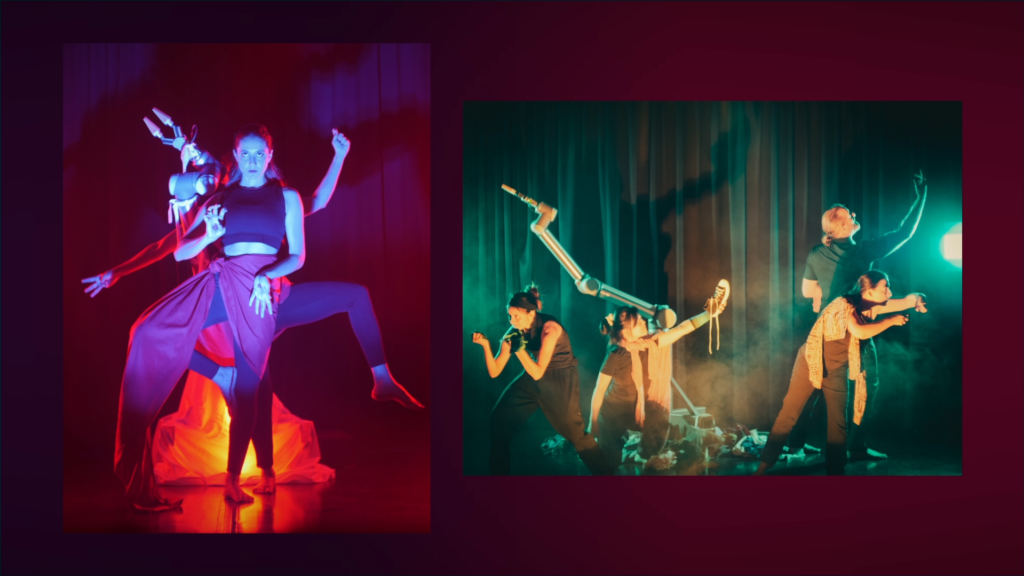
The devising process resulted in two original short performances:
- Unstitched: a performance critiquing fast-fashion labour ethics, structured around three movement motifs (robot as labourer, consumer, and model), culminating in a deconstruction sequence.
- Goddess in the Machine: reimagining the South Asian myth of Kali’s birth, blending human-robot choreography to explore how the best of intentions can unleash unintended consequences.
Key Findings
Participants reported substantial complicité development (average score 4.2/5). Both biomechanics (4.8/5) and Tréteau (4.3/5) were recognized as valuable frameworks for ensemble-building, effectively transforming robotic constraints into creative opportunities. The UR10 displayed versatile dramaturgical roles, transitioning between performer and prop, with its mechanical identity accentuated in industrial narratives while mythological contexts facilitated richer dramaturgical exploration.
Publications
M. Jayasuriya, P. Wijesundara, and D. Herath, “Exploring Dramaturgical Potential in Human-Robot Ensembles: A Practice-as-Research Investigation through Devised Physical Theatre,” 2025 IEEE International Conference on Robotics and Automation (ICRA), Atlanta, USA, 2025.
Credits and Acknowledgements
Team: Maleen Jayasuriya, Piumi Wijesundara, Damith Herath
Participants: Deni Dominguez Molina, Molly Yao, Michael Armstrong, Mia Rashid, Fi Peel, Sandy Ma, Imogen Yang, Annika Kendall, Chipz Jin, Marlene Radice
Technical Support: Elaine Peng, Nipuni Wijesinghe, Buddhi Gamage, Abhimani Gamage, Moniesha Thilakarathna, Asitha Wijesinghe
RAPP Lab 02: Public Participation in Robotic Performance (2018)
Project Period: 2018
Location: CoLABS Festival, Sydney, Australia
Lead Team: Damith Herath, Elizabeth Jochum
Presented at: CoLABS, a festival of Art and Science, Sydney
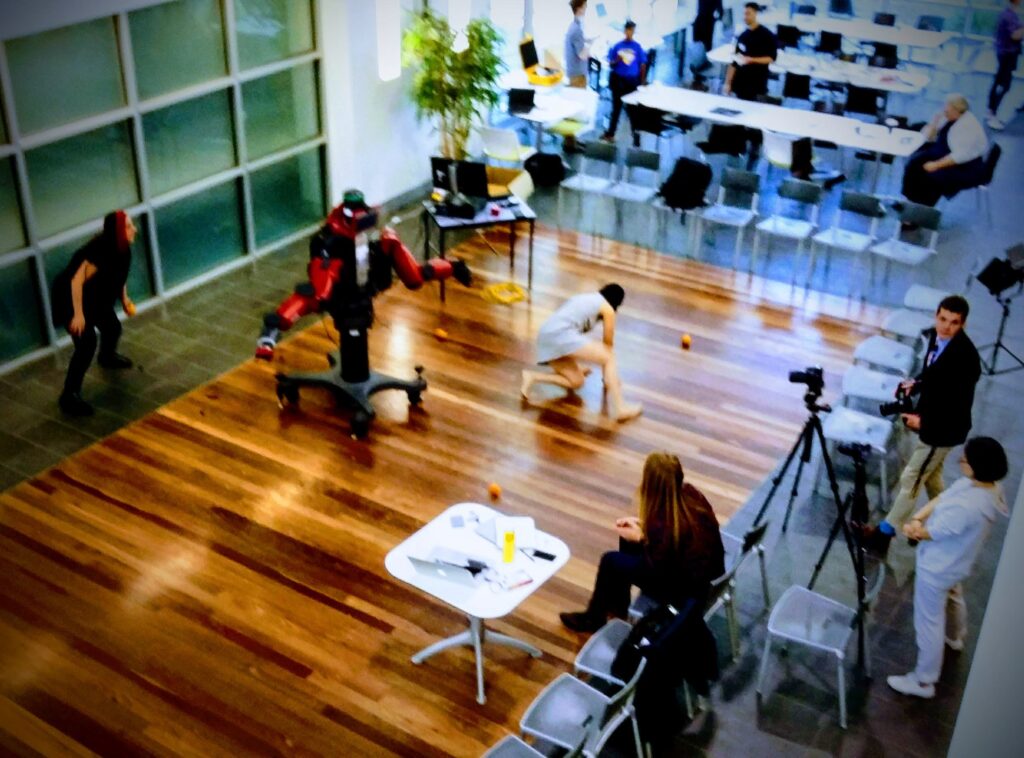
Building on the foundations laid by RAPP Lab 01, RAPP Lab 02 extended the Lab’s explorations into the public sphere. Presented during CoLABS, a festival of Art & Science in Sydney, this intervention invited the public to participate in the creative process actively. Participants were encouraged to perform alongside robotic platforms in an immersive and experimental environment, exploring the boundaries between human and machine agency in real time.
This participatory approach highlighted the role of audiences in shaping the future narratives of robotic performance, transforming spectators into co-creators of the experience. The intervention demonstrated the Lab’s commitment to democratic participation and community-led research methods in human-robot interaction.
Credits
Team: Damith Herath, Elizabeth Jochum
Participants: Members of the public attending CoLABS
RAPP Lab 01: Foundational Explorations (2017)
Project Period: 2017
Location: University of Canberra, Australia
Lead Team: Damith Herath, Elizabeth Jochum
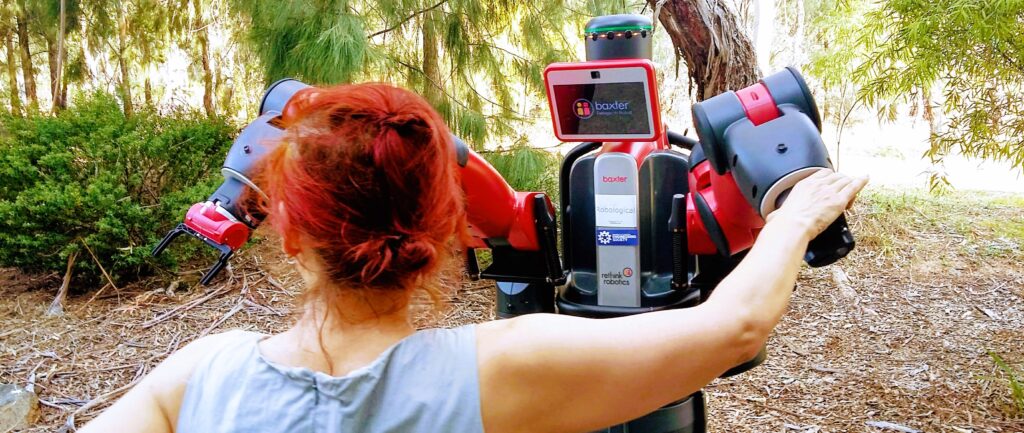
RAPP Lab 01 embodied the ethos of open discovery and collaboration that would define the series. Artists Marian Abboud, a media artist, and Vicki Van Hout, an Indigenous choreographer, partnered with engineers to explore the interplay between movement, robotics, and cultural narratives.
These sessions culminated in an experimental public performance, where robots and humans shared the stage in an improvised, multilayered exchange of gesture and expression. The performance was followed by a discussion panel, providing an opportunity for artists, engineers, and the audience to reflect on the creative, ethical, and technical dimensions of the work.
This first intervention set the tone for RAPP Lab’s mission to foster deep dialogue and experimentation between disciplines and individuals, establishing the framework for future iterations.
Credits
Team: Damith Herath, Elizabeth Jochum
Featured Artists: Marian Abboud (Media Artist), Vicki Van Hout (Indigenous Choreographer)
Orpheux Larynx (2011)
The seeds of RAPP Lab were planted in 2011 with artist Erin Gee’s performance Orpheux Larynx, created during her residency at MARCS Auditory Laboratories, Western Sydney University, in collaboration with renowned artist Stelarc. This vocal work for three artificial voices and soprano embodied a radical exploration of human-robot interaction, blending music, technology, and mythology.
Central to the piece was Stelarc’s Prosthetic Head, a computerised conversational agent whose manipulated baritone voice formed the basis of a robotic choir. Drawing inspiration from the myth of Orpheus, the performance reimagined identity and embodiment as fluid and multiplicitous, seamlessly merging past, present, and speculative futures through the shared voices of robotic avatars.
Articulated Head - CLONE (2012)
Another pivotal inspiration was Articulated Head – CLONE 2012, a hybrid virtual-real performance created by Pyewacket Kazyanenko in collaboration with Daniel Mounsey, Ian Upton, and Ze Moo at the Powerhouse Museum. Centered around Stelarc’s Articulated Head, this performance explored the dynamic interplay between physical and virtual worlds, pushing the boundaries of human-robot interaction in performance spaces.
These projects, with their shared emphasis on mythology, embodiment, and the performative potential of robotics, laid the conceptual groundwork for RAPP Lab, inspiring the Lab’s ongoing transdisciplinary exploration of robotic performance, cultural ecologies, and the evolving narratives of human-machine collaboration.